Window repair and replacement: whose job is it, renter or landlord?
By Dana Whitfield · Updated 2026-09-02
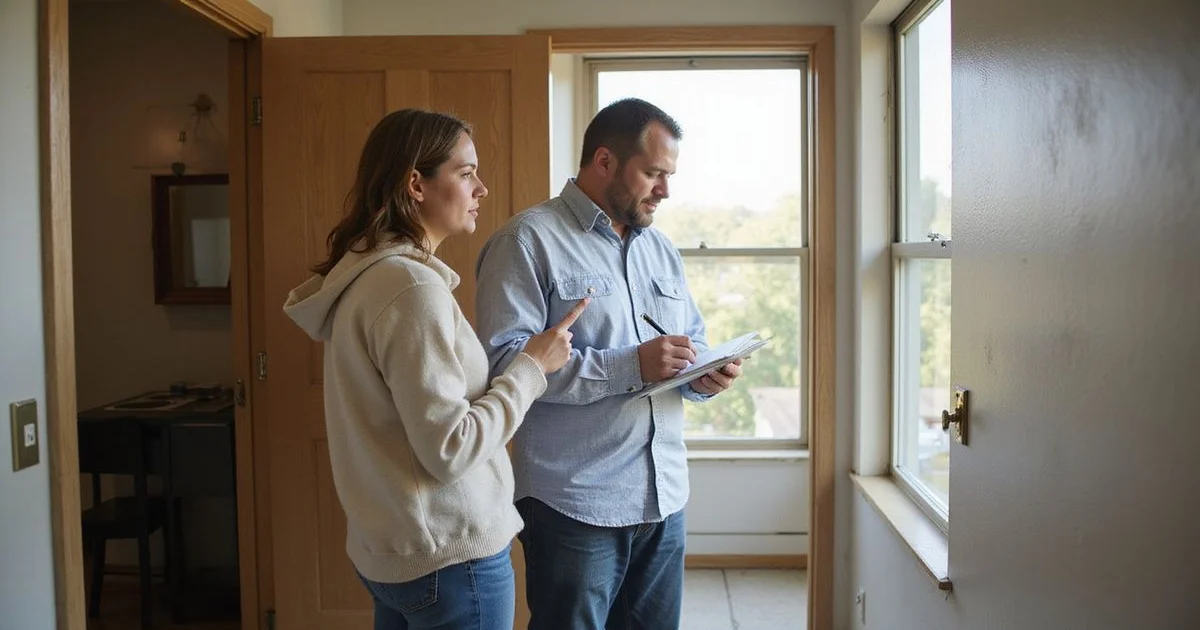
This is general information about how window repair responsibility is typically handled between renters and landlords, not legal advice. Lease terms and landlord-tenant law can affect your specific situation, so consult your lease or a legal resource if you’re in a dispute.
A broken or malfunctioning window in a rental raises a simple-sounding question that gets complicated fast: who actually has to pay for the fix. The general rule is straightforward, but the exceptions are where most disagreements happen. If you own your home outright, this dynamic does not apply, though it is worth checking whether energy rebates and tax credits for window replacement can offset the cost of doing the work yourself.
The general rule
In most rental situations, the landlord is responsible for maintaining the property in habitable condition, which includes windows that function properly, seal out weather, and are not a safety hazard. This applies to damage from normal age, wear, or an outside event like a storm. If a window fails because of something ordinary, an old seal giving out, hardware wearing down, that repair typically falls on the landlord, not the tenant.
When it shifts to the tenant
Responsibility can shift to the tenant when the damage results from something the tenant, a guest, or a pet did, rather than normal wear or an outside cause. Common examples include a window broken during a move, damage from an unauthorized modification, or neglect that clearly caused the problem, like leaving a window open during a storm in a way that led to damage. What exactly counts as tenant responsibility often comes down to the specific lease language and the circumstances, so read your lease’s maintenance section closely if this comes up.
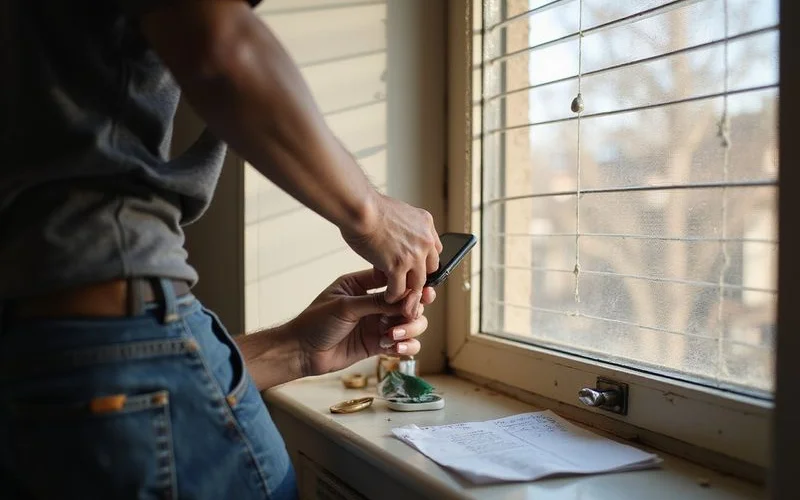
How to document a repair request properly
Whichever side of this you’re on, documentation protects everyone:
- Put the request in writing (email or text), describing the specific problem and when it started
- Take a photo or short video showing the issue
- Note the date you reported it and any response you received
- Keep a copy of your lease’s maintenance and repair section handy for reference
A written record matters most if the issue drags on or becomes a dispute. A verbal request with no documentation is much harder to point back to later.
A quick reference
| Situation | Typically responsible |
|---|---|
| Window seal fails from age | Landlord |
| Storm or weather damage | Landlord |
| Tenant or guest accidentally breaks the glass | Often tenant, depending on lease |
| Damage from an unauthorized modification | Tenant |
| Hardware wears out from normal use | Landlord |
What a lease usually says, and what to check
Most leases include a maintenance or repairs clause that spells out, at least broadly, who is responsible for what. Some leases go further and specifically address tenant-caused damage versus normal wear, while others leave it fairly general. Before a problem comes up, it is worth reading that section of your own lease so you know what you agreed to rather than relying on general assumptions. If the lease is silent or vague on a specific situation, state and local landlord-tenant law typically fills that gap, which is where the general habitability standard usually comes back into play.
Setting a reasonable timeline expectation
Not every window issue is equally urgent, and it helps both sides to think about it that way. A window that will not lock, creating a security concern, or one that will not close at all during cold weather is a habitability issue that reasonably calls for prompt attention. A window that operates fine but has minor cosmetic wear, like a stiff crank or slightly faded paint, is a lower-priority repair that a landlord can reasonably schedule around other work. Framing the request with this in mind, and saying clearly whether the issue is urgent, tends to get a faster and less contentious response than a vague complaint.
If the issue isn’t getting resolved
If a landlord is unresponsive to a legitimate repair request, especially one that affects habitability like a window that will not close in winter, tenants have legal protections in Connecticut, though the specific steps depend on the situation and how the lease is written. This is a good point to consult your lease terms directly or a tenant rights resource rather than guessing at your options.
For landlords and property managers coordinating repairs, comparing window repair companies on responsiveness and follow-through matters, since a slow repair can turn a minor issue into a habitability complaint. Our rubric on this directory weighs how consistently companies follow through on scheduled work.
FAQ
- Is a landlord always responsible for a broken window?
- Generally, yes, for damage from normal wear, age, or something outside the tenant's control, like a storm. If the tenant or their guest caused the damage, for example by breaking the glass accidentally, the tenant may be responsible for the repair cost, depending on the lease.
- What should a tenant do first when a window is damaged or won't work?
- Notify the landlord or property manager in writing, by email or text so there's a record, describing the problem and when it started. Verbal-only requests are harder to prove later if a dispute comes up.
- Can a landlord ignore a broken window request?
- Not indefinitely, especially if the issue affects habitability, like a window that won't close and leaves the unit exposed to weather. Connecticut has legal protections around habitability, though what counts as urgent versus routine can vary by situation.
- Can a tenant fix the window themselves and deduct the cost from rent?
- This is a legally sensitive area that varies by lease and by how a landlord has responded to prior requests. Tenants considering this should understand their specific legal standing before acting, since doing it incorrectly can create its own set of problems.