Signs your windows are costing you comfort and money
By Dana Whitfield · Updated 2026-07-27
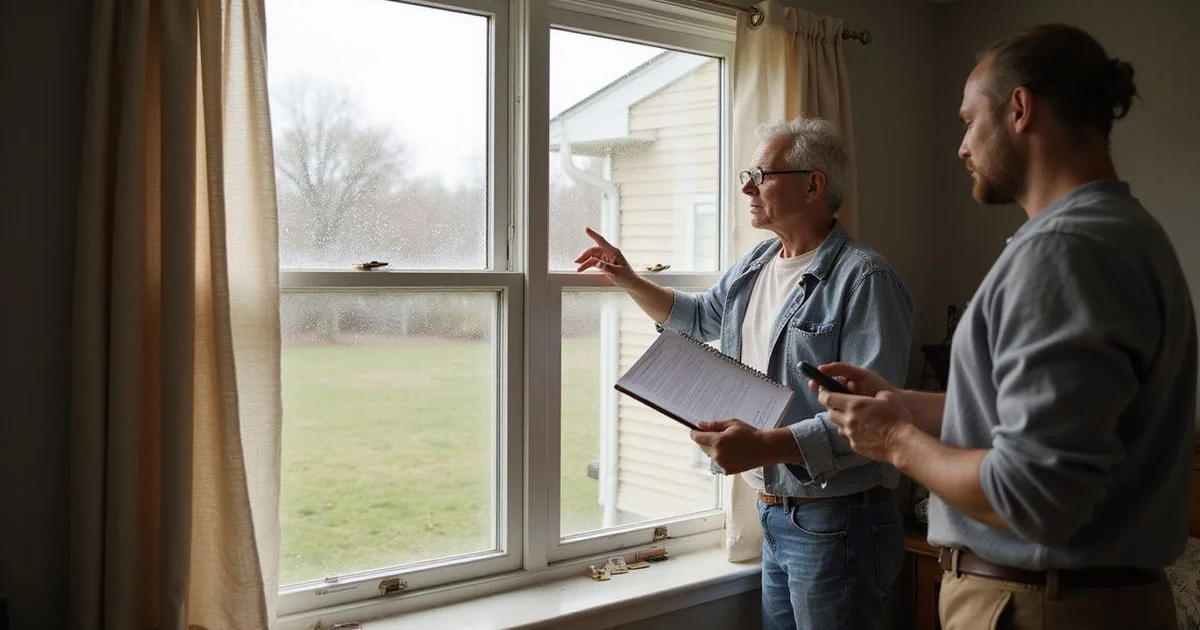
Windows fail slowly, which is exactly why so many homeowners live with underperforming ones far longer than they should. There is rarely a dramatic breaking point. Instead it is a cold spot near the couch every winter, a utility bill that creeps up, or a windowsill that always seems to have a little condensation on it. None of these alone is proof you need new windows, but together they tell a story worth paying attention to.
The signs worth taking seriously
Noticeable drafts near closed windows. If you can feel air movement standing next to a closed window on a cold or windy day, air is getting through somewhere it should not be. This could be a worn weatherstripping issue, fixable with a repair, or it could mean the frame or seal has failed more broadly.
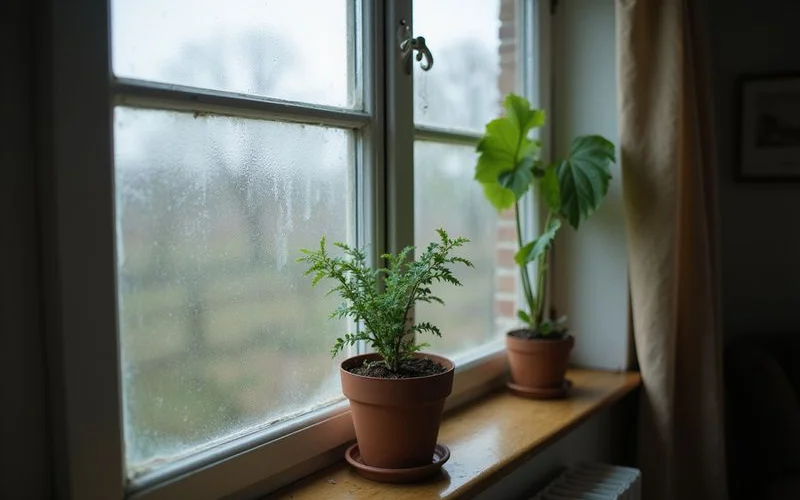
Condensation or fog trapped between the panes. This is different from condensation on the inside surface of the glass, which is usually a humidity issue in the home. Moisture visibly trapped between two panes means the seal on that insulated glass unit has broken down and is no longer doing its job.
Windows that are hard to open, close, or lock. Beyond the annoyance, a window that does not seal tightly when closed is not performing the way it should, and sticking sashes sometimes point to a frame that has warped out of square.
Rooms near windows that feel colder or hotter than the rest of the house. If a room with several older windows always runs a few degrees off from the rest of the house, that temperature gap is often the windows underperforming compared to your walls and insulation.
Rising heating and cooling bills with no other clear cause. If your energy bills have crept up over the years and nothing else about your home, insulation, HVAC system, has changed, aging windows are worth adding to the list of possible culprits.
Sorting real problems from minor ones
| Symptom | What it usually means |
|---|---|
| Draft you can feel with your hand | Air leak at the frame or sash; may be repairable |
| Fog trapped between glass panes | Seal failure on that glass unit |
| Cold room near several old windows | Cumulative heat loss through multiple aging windows |
| Sticking or hard-to-close sash | Frame or hardware issue; not always about energy performance |
| Slowly rising energy bills | Possible contributor, though rarely the only cause |
What actually improves the numbers
Newer windows typically use better-performing glass, tighter seals, and frame materials designed to resist air infiltration far more effectively than windows installed decades ago. The improvement is real, but how much it shows up in your bill depends on how many windows you have, how bad the current ones are, and what else in your home is losing energy, like attic insulation or an aging furnace.
If only a few windows are the problem, targeted repair or a partial replacement can solve most of the discomfort without the cost of a whole-house project. If most of the windows in the house are original and aging together, a broader replacement often makes more sense than repairing each one individually as it fails.
Simple checks you can do yourself
A few checks take just a few minutes and can help you decide whether it is worth calling someone in for a closer look. On a cold or windy day, run your hand slowly around the inside edge of each window frame and feel for moving air. Look at the glass itself for any cloudiness or a hazy ring near the edges, a sign the seal on that pane has started to fail even if it is not fully fogged yet. Open and close each window fully to see if it moves smoothly or catches partway, which can point to a frame that has shifted slightly out of square.
Keep rough notes on which rooms and which specific windows show problems. A pattern, several windows on the same side of the house, or windows installed around the same original date, tells a contractor a lot before they even arrive, and helps you avoid paying for a full assessment of windows that are clearly fine.
Getting an honest read on your situation
A contractor who does a real walkthrough, checking frames, seals, and hardware room by room, gives you a more useful answer than a generic sales pitch. Ask them to point out which specific windows are underperforming and why, rather than a blanket recommendation to replace everything. If what you’re noticing looks more like a stain, musty smell, or active water intrusion than drafts and fogging, our window leaks and water damage guide walks through what’s likely causing it and how urgent it is. You can compare local installers and see how thoroughly they evaluate a home before quoting on our homepage, and our rubric explains what we weigh when scoring them.
FAQ
- How can I tell if a draft is coming from the window itself?
- Hold a lit candle or a piece of tissue near the edges of the closed window on a windy day. Consistent movement of the flame or tissue at the frame edges points to an air leak at that spot, rather than just cold radiating off the glass.
- Do single-pane windows always need to be replaced?
- Not necessarily. Adding storm windows over single-pane glass can noticeably improve performance for less money than full replacement, which is a common approach on older homes where preserving the original sash matters.
- Will new windows pay for themselves in energy savings?
- Windows contribute to energy loss, but they are rarely the single biggest factor in a home's bill, and payback time varies a lot by home and by how drafty the existing windows really are. Think of new windows as a comfort and value upgrade first, with energy savings as a real but secondary benefit.
- Is condensation between the glass panes always a sign of a bad window?
- Yes, in the sense that it means the seal on that particular glass unit has failed. It does not necessarily mean the whole window needs replacing, since sometimes just the glass unit can be swapped.