Do new windows help you sell your house in Connecticut?
By Dana Whitfield · Updated 2026-08-08
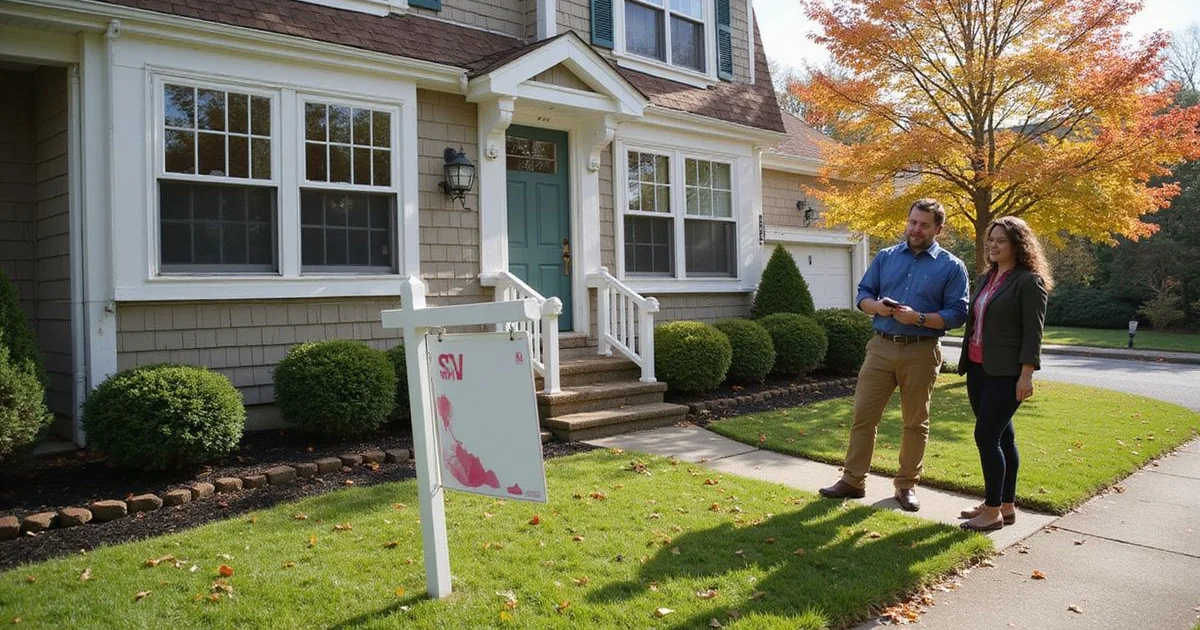
Whether new windows are worth doing before you list a house depends on what shape your current windows are in and how much else about the home needs attention. They rarely make or break a sale by themselves, but they do factor into two things buyers and inspectors actually care about: how the home looks and functions during a showing, and what comes up during inspection.
What actually shows up during a sale
First impressions during showings. Windows are a visible, tactile detail. A buyer who tries to open a stuck sash or notices foggy, cloudy glass gets a small but real signal that the home has deferred maintenance, even if everything else looks great.
Home inspection findings. A general inspector typically checks that windows open, close, and lock properly, and notes visible signs of water damage, rot, or broken seals. Cosmetically old windows that function fine usually are not flagged as a defect on their own. A missing or undersized egress window in a bedroom, on the other hand, can come up as a real issue since it touches on safety code.
Energy cost conversations. Buyers who are comparing utility costs between homes sometimes ask about window age and efficiency, particularly for older homes competing against newer construction.
When replacement is likely worth it
A full window replacement before selling tends to pay off most clearly when the current windows have visible, obvious problems, rot, broken seals, windows that will not stay open, or when you are already doing a broader renovation and the windows are part of that larger picture. In those cases, new windows remove a talking point that could otherwise give a buyer an opening to negotiate a lower price during inspection.
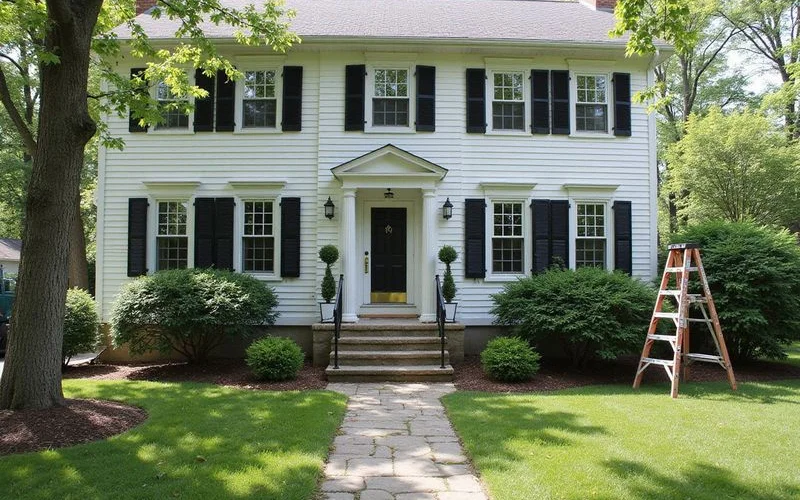
When it’s probably not worth the full cost
If your current windows function properly and just look a little dated, a full replacement is a significant expense that may not return its full cost in a higher sale price. Cosmetic age alone rarely derails a sale. In these cases, cheaper fixes often close most of the gap:
- Fresh caulk and a clean paint job on trim and sashes
- Repairing hardware so every window opens, closes, and locks smoothly
- Replacing screens that are torn or missing
- Cleaning glass thoroughly, inside and out, before showings
Several of these overlap with routine seasonal upkeep; our guide to prepping windows for a Connecticut winter has a fuller checklist if you are tackling this ahead of a fall or winter listing.
Full replacement versus targeted fixes
| Approach | Typical cost | Best when |
|---|---|---|
| Full-house replacement | Highest | Windows have real functional or damage issues throughout the home |
| Replace only the worst windows | Moderate | A few windows are clearly bad, others are fine |
| Repair and refresh (caulk, hardware, cleaning) | Lowest | Windows function properly but look tired |
| Offer a buyer credit instead | Varies | You’d rather let the buyer choose their own windows |
What to do if you’re on a tight timeline
If you are prepping a listing on a short deadline, a full replacement’s lead time for custom-sized windows, often several weeks, can make a full-house project impractical before you go live. In that case, focusing your budget and time on the most visible, most obviously worn windows (typically the ones facing the street or visible from the main living areas) and pairing that with the lower-cost fixes for the rest of the house usually gets most of the visual benefit without the longer wait.
How this compares to other pre-sale renovations
Windows rarely top the list of renovations that return the most value at resale, kitchens, bathrooms, and general curb appeal work usually rank higher in most cost-versus-value studies. That does not mean windows are irrelevant, but if your budget is limited and you have to choose, it is worth weighing a window project against other visible updates competing for the same dollars. A real estate agent familiar with recent comparable sales in your specific neighborhood can usually tell you which upgrades buyers in your price range are actually responding to.
Talk to your agent before deciding
A local real estate agent who knows your specific market and price point can tell you whether buyers in your area are window-sensitive or focused on other renovations, like kitchens or bathrooms, that tend to move the needle more. Before spending on a full replacement purely for resale, get that read on your specific market. If you do decide to replace, you can compare local installers and see how they’re rated for timeliness, useful if you’re working against a listing date, on our homepage; our rubric explains how those scores are built.
FAQ
- Will a home inspector flag old windows as a problem?
- A general home inspector typically notes visible issues like broken seals, rot, or windows that don't open and close properly, but old age alone usually is not flagged as a defect unless there's a functional or safety problem, like a missing egress window in a bedroom.
- Do buyers actually ask about window age?
- Some do, especially buyers comparing energy costs between homes, but windows are rarely the single deciding factor in an offer. They matter more as part of the overall impression of how well-maintained the home is.
- Is it better to replace all the windows or just the worst ones?
- If budget is limited, focusing on the most visibly damaged or non-functional windows, especially ones facing the street, usually gives a better return than spreading a smaller budget thin across every window in the house.
- Should I get new windows before or let the buyer negotiate a credit instead?
- Both are common. Replacing windows upfront can help the home show better and avoid inspection negotiations, while offering a credit lets the buyer choose their own windows. Talk to your real estate agent about which approach fits your local market.