Replacing windows in an older or historic Connecticut home
By Dana Whitfield · Updated 2026-07-20
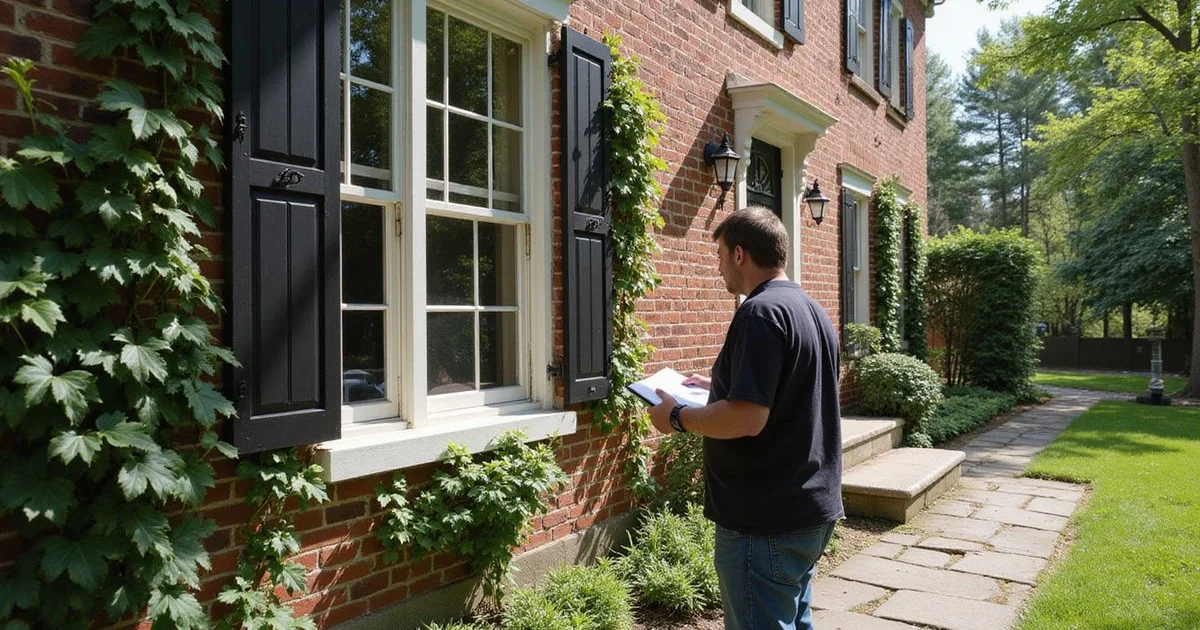
Connecticut has no shortage of colonial, Victorian, and early-20th-century homes, and replacing windows in one of them is a different project than swapping vinyl units in a 1990s build. The openings are often slightly irregular, the trim may be original millwork worth preserving, and the wrong window style can flatten a house’s character even when the glass itself performs better than what it replaced.
Why older homes need a different approach
Homes built decades or a century ago were framed by hand, and window openings have usually shifted a little over the years from settling and seasonal movement. That means measurements taken today may not match a “standard” manufactured size, and installers experienced with replacement windows in older housing stock expect this and plan for it, rather than forcing a stock size into an opening that has moved out of square.
It also often means a full-frame replacement rather than a simple insert. If the old sill or jamb has any rot, which is common after a century of exposure, the installer needs to address that structurally before the new window goes in, not just seal a new unit inside a compromised frame.
Matching the original character
Double-hung windows with divided lites (the small individual panes within a sash) are the signature look of colonial and many Victorian-era Connecticut homes. Today’s replacement options can mimic that look convincingly:
- Simulated divided lite grilles that sit on the glass surface or between the panes, giving the appearance of individual panes without the maintenance of true divided lites
- Frame profiles designed to echo the narrow sightlines of original wood sashes
- Wood, composite, or fiberglass frame options for homeowners who want to avoid the flat look some vinyl frames have on a period home
A window that technically fits the opening but looks visually wrong, too bulky a frame, mismatched proportions, oversized grille bars, can undercut a home’s curb appeal even with better energy performance underneath.
Repair versus replace on an original window
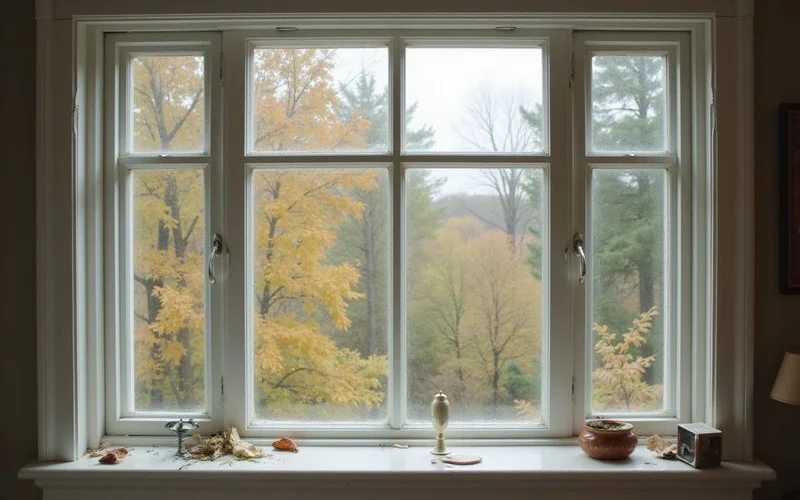
Not every old window needs to come out. If the original wood sashes and frame are structurally sound, repair and weatherstripping can restore function while keeping the original glass, which sometimes has subtle waviness or character that newer glass does not replicate. The trade-off is ongoing maintenance: painting, glazing putty upkeep, and periodic hardware repair. For typical price ranges across frame materials and window styles, see the window replacement cost guide.
| Consideration | Repair original window | Replace with new unit |
|---|---|---|
| Upfront cost | Often lower per window | Higher per window |
| Energy performance | Improves some with weatherstripping, but limited | Meaningfully better with modern glass and seals |
| Ongoing maintenance | Higher, especially for wood | Lower |
| Historic character | Preserves original material | Can closely match style, not identical material |
Dealing with irregular openings and old trim
Beyond the window itself, older homes often have interior and exterior trim, casings, aprons, and sills, that was custom milled and would be expensive or impossible to match exactly if damaged. A careful installer protects and reuses existing trim wherever it is in good condition, rather than defaulting to removing and replacing it. If your trim profile is unusual, it is worth asking upfront whether the crew plans to preserve it during the window swap, and what happens if a piece is damaged during removal.
Plaster walls, common in homes built before the mid-20th century, also behave differently than drywall around a window opening. Cutting or patching plaster requires different technique and can crack unpredictably if handled the way a crew accustomed to drywall would approach it. Ask whether the installer has specific experience working around plaster, not just wood-frame construction from the past few decades.
A few practical steps
Before committing to a full-house replacement, walk the exterior with a contractor experienced in older homes and ask them to flag which openings are structurally sound versus which show signs of rot or significant settling. If your home sits in a local historic district, check with your town’s historic commission before finalizing a window style, since some districts have specific rules about visible changes from the street.
Comparing installers who have real experience with older housing stock, not just new-build vinyl swaps, matters here. Our rubric on this directory factors in the range of project types a company has handled, which is worth checking before you commit to a company for a home where getting the details right actually shows.
FAQ
- Do I have to keep the exact same window style in an older home?
- Not necessarily, unless your home is in a designated historic district with its own review rules. Otherwise it is a personal choice, though matching the original style, like double-hung sashes with true or simulated divided lites, usually keeps the home's character intact and can matter for resale value.
- Can I get replacement windows that still look like original wood sashes?
- Yes. Many manufacturers offer vinyl, composite, and fiberglass windows designed to mimic the proportions and grille patterns of older wood windows, which is a common choice for homeowners who want the look without the maintenance of real wood.
- Is it worth repairing original wood windows instead of replacing them?
- For some homeowners, yes, especially on architecturally significant homes where the original glass or hardware has value. Restoration costs can rival or exceed replacement, though, so weigh the trade-off honestly against your budget and how much you value originality.
- Will old, irregular window openings cause problems with new windows?
- Often, yes. Many older Connecticut homes have openings that have shifted slightly out of square over a century or more of settling, which usually means a full-frame replacement rather than a simple insert, so the new unit can be set properly.