What to expect from a window installation, start to finish
By Dana Whitfield · Updated 2026-06-20
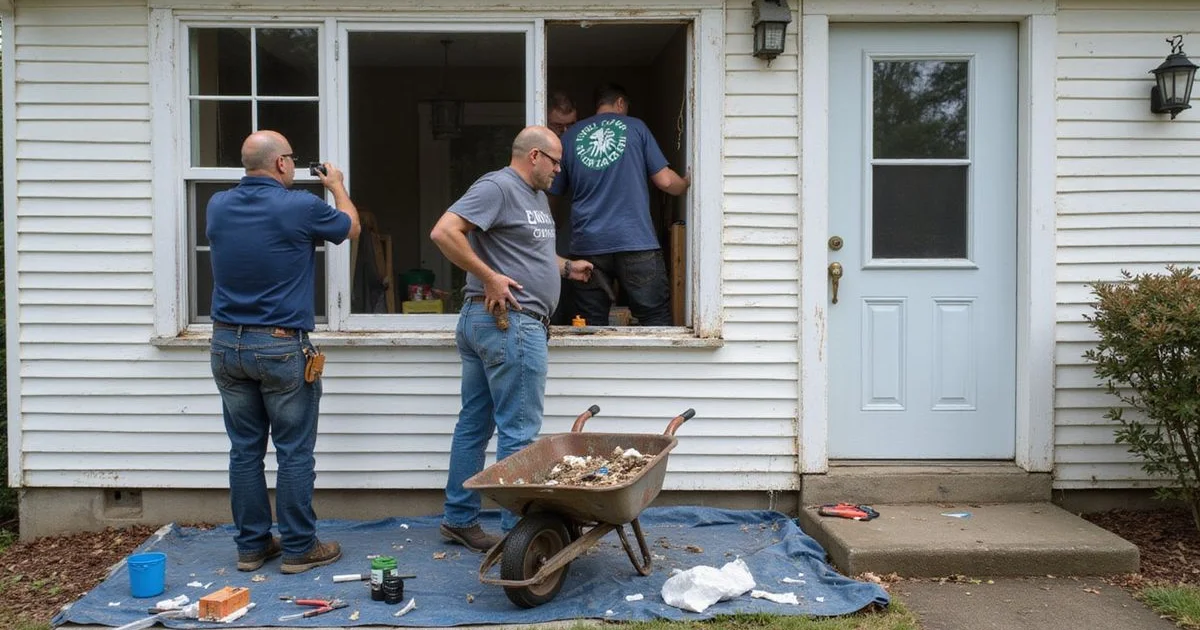
Once you have picked an installer for your replacement windows project, the actual work follows a fairly predictable sequence. Knowing what happens at each stage helps you ask better questions and spot a crew that is cutting corners.
1. The measurement and consultation visit
Before any windows arrive, someone from the company comes to your home to measure every opening precisely. This is also when you finalize frame material, glass package, and window style. Take this visit seriously: a rushed or sloppy measurement leads to windows that do not fit correctly, which means delays and rework later.
This is a good time to ask about the installation method for your specific windows: insert replacement into the existing frame, or full-frame tear-out. If the installer has not looked closely at your current frames, be cautious about a firm answer either way. Full-frame work typically costs more and takes longer, a difference the window replacement cost guide breaks down in more detail.
2. Ordering and lead time
Custom-sized windows are manufactured to your measurements, which means a wait between signing the contract and the windows arriving on site. Lead times vary by manufacturer and season, but it is common to wait several weeks. Ask for a written estimate of lead time upfront so you are not left guessing.
3. Installation day
On the day of the job, expect the crew to:
- Protect flooring and nearby furniture with drop cloths
- Remove the old window, either the sash only (insert method) or the full frame down to the studs (full-frame method)
- Set the new window, check it for level and square, and secure it in place
- Insulate around the frame and apply new caulk and flashing to keep water out
- Reinstall or replace interior and exterior trim as needed
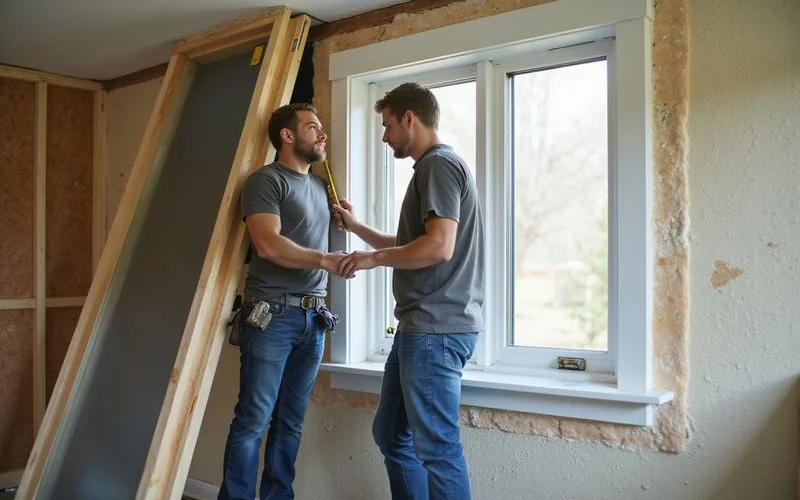
For a standard-size job, one or two windows typically take an hour or two each once the crew is set up. Full-frame jobs and unusual sizes take longer.
4. Inspection and walkthrough
Before the crew leaves, walk through with them. Open and close each window to check smooth operation, look at the caulk lines from outside if you can, and confirm any trim work matches what you expected. This is the moment to flag anything that looks off, not two weeks later.
What a typical timeline looks like
| Stage | Typical timing |
|---|---|
| In-home measurement and quote | Same day to a few days after first contact |
| Manufacturing lead time | Several weeks, longer for custom sizes or specialty shapes |
| Installation (standard job) | One day to a few days |
| Full-frame or large-scale jobs | Several days to over a week |
What separates a careful installation from a rushed one
Not every crew handles the same steps with the same care, and a few small differences show up years later even if they are invisible on day one. A careful crew shims the window so it sits perfectly level and plumb in the opening, not just close enough to look right. They use enough insulation around the frame to close gaps without overstuffing, which can bow the frame slightly. They apply flashing tape or a housewrap patch above the window before the trim goes back on, so water sheds around the opening rather than behind it.
A rushed crew skips some of this, and the window still looks fine at the walkthrough. The difference tends to surface a year or two later as a draft that was not there at first, or a small water stain appearing after a heavy storm. Asking an installer to describe their flashing and insulation process, in their own words, is one of the better ways to gauge how carefully a crew works before you commit.
What happens if a window is damaged or doesn’t fit
Occasionally a window arrives from the factory with a defect, or a measurement turns out to be slightly off once the crew opens up the wall. Ask upfront how the company handles this. A reliable installer will pause the job, reorder the correct unit, and temporarily secure the opening rather than forcing an ill-fitting window into place to finish on schedule. This is a good question to ask before the job starts, since it tells you how the company prioritizes doing the job right over doing it fast.
Questions worth asking before you sign
A few questions upfront can save headaches later: Who pulls the permit if one is needed? Does the price include disposal of the old windows? What warranty covers the labor, separate from the manufacturer’s warranty on the window itself? How does the company handle a window that arrives damaged or doesn’t fit correctly?
A company that answers these clearly, and puts the answers in writing, is generally a safer bet than one that waves off the details. If you want to see how installers in your area compare on follow-through and communication, our rubric explains how those factors feed into rankings across the directory.
FAQ
- How long does a full-house window installation take?
- A typical residential job with a dozen or so windows often wraps in a single day to a few days, depending on crew size and whether any openings need structural repair. Larger homes or full-frame replacements take longer.
- Do I need to be home during the installation?
- Most companies want someone available at the start of the job and for a final walkthrough, but you do not need to watch the entire process. Just plan for some noise and foot traffic through the areas where windows are being replaced.
- What happens to my old windows?
- A reputable installer hauls away and disposes of the old units as part of the job. Confirm this is included in your quote, since disposal fees are sometimes billed separately.
- Will there be a mess afterward?
- Some dust and debris around the work area is normal, especially with full-frame jobs. Good crews lay down drop cloths and vacuum up before they leave, and it is fair to ask about cleanup practices before you book.