Sliding glass door installation: what to expect
By Dana Whitfield · Updated 2026-08-02
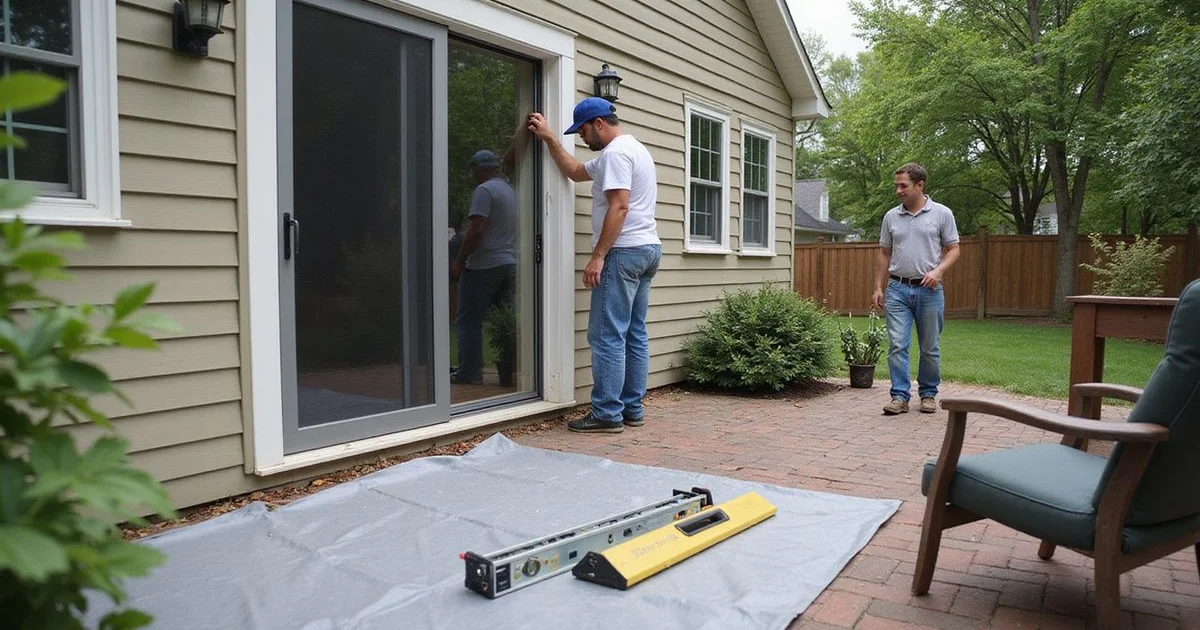
A sliding glass door installation is a different job from a standard window swap, mostly because of the size and weight of the unit and the precision needed to keep a large moving panel gliding smoothly for years afterward. Here is what actually happens during a typical project.
Measuring and confirming the opening
As with any sliding glass doors project, the process starts with a precise measurement of the existing opening, or the planned opening if this is new construction. Sliding doors carry more weight per square foot of glass than a typical window, so the installer also checks that the header and surrounding framing can support the unit properly, especially for wider multi-panel configurations.
Removal of the old door
If this is a replacement, the crew removes the existing door and frame carefully, checking the sill and surrounding framing for water damage or rot once the old unit is out. This is a common discovery point on older homes, since sliding door thresholds sit low to the ground and see more exposure to rain, snow melt, and foot traffic than a standard window sill.
Setting the new frame and door panels
The new frame goes into the opening and gets checked for level and square before anything is fastened permanently. This step matters more for sliding doors than for most windows, because even a small amount of out-of-square installation can cause the panels to bind or slide unevenly for the life of the door. Once the frame is set and secured, the door panels are hung and adjusted on their rollers.

Sealing and weatherproofing
Flashing and sealant go around the perimeter of the frame to keep water from working its way in around the edges, which matters even more here than on a standard window given how much exposure the bottom track gets. The threshold is a common trouble spot, so a careful installer pays particular attention to sealing that transition between the door sill and the flooring below.
Final adjustment and walkthrough
Before the crew leaves, they adjust the rollers so the door slides smoothly without dragging or binding, and check that the lock engages cleanly. Walk through this with them: open and close the door several times yourself, check that the screen (if included) runs freely on its own track, and look at the interior and exterior trim for a clean finish.
New opening versus replacement: what changes
| Factor | Replacing an existing door | Creating a new opening |
|---|---|---|
| Typical timeline | Often one day | Multiple days, depending on structural work |
| Permit likely needed | Sometimes, check with your town | Usually yes |
| Structural work | Minimal, unless the sill shows damage | Framing a new header and opening |
| Cost | Lower | Higher, due to structural work |
Choosing between panel configurations
Sliding doors come in a few common configurations: a standard two-panel door where one side slides and the other stays fixed, a three-panel arrangement that can open the space up further, and wider multi-panel systems for large openings. More panels generally mean a wider clear opening and a bigger visual impact, but they also add cost and require a header structurally sized to carry the additional weight. If you are widening an existing opening to fit a larger configuration, factor the structural review into your timeline, since it is not simply a bigger version of the same swap.
Screens and hardware details worth asking about
A sliding screen door runs on its own separate track and takes its own wear over time, especially if pets or kids use it often. Ask whether the screen is included in your quote or priced separately, and whether the track is a standard aluminum roller system or a heavier-duty option, since screens see more daily use than the door itself in a lot of households. Handle and lock hardware finishes also vary in durability against Connecticut’s humidity and coastal air, so it is worth asking what finish is used and whether it carries its own separate warranty from the door itself.
Getting the details right upfront
Because a sliding door installation depends so heavily on precise leveling and sealing, ask a potential installer directly about their process for checking the frame is square before final fastening, and how they handle threshold sealing. A rushed installation here tends to show up later as a door that drags on one side or a threshold that leaks during heavy rain. Our rubric on this directory weighs installation quality feedback from customer reviews, which is worth checking before you commit to a company for this kind of precise work.
FAQ
- How long does a sliding glass door installation take?
- A straightforward replacement into an existing opening often takes most of a day for a two-person crew. A new opening that requires structural work, cutting into a wall where there was none before, takes considerably longer.
- Can I get a sliding door installed in a wall that doesn't currently have one?
- Yes, but it's a bigger project than a swap. It involves structural framing changes, likely a permit, and coordination to make sure the header above the new opening can support the load properly.
- Do sliding doors need special maintenance after installation?
- The track needs periodic cleaning to keep the rollers moving smoothly, and the weatherstripping should be checked yearly. A door that starts sticking or feels harder to slide is usually a sign the track needs attention, not the whole unit.
- What size options are available for replacement sliding doors?
- Standard widths are common, but wider multi-panel configurations are available for larger openings. If you're replacing an existing door, matching the current opening size keeps the job simpler and less expensive.