Window repair: what you can DIY and when to call a pro
By Dana Whitfield · Updated 2026-06-14
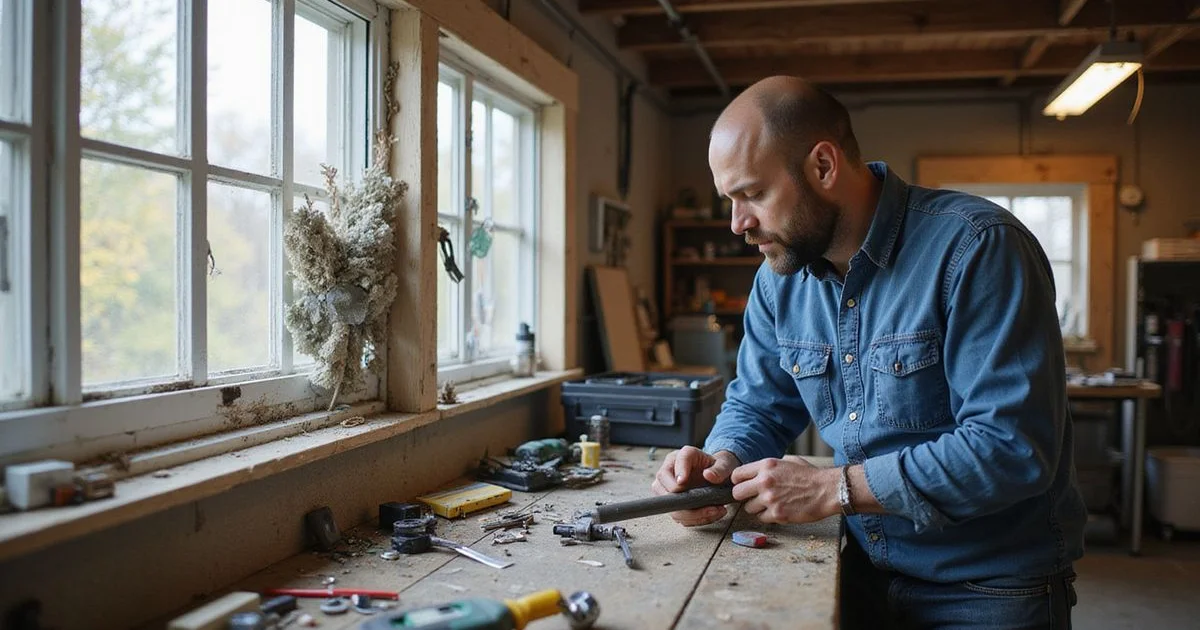
A stuck sash, a foggy pane, a lock that won’t catch: window problems range from a fifteen-minute fix to a job that needs a licensed window repair technician and the right parts on the truck. Knowing which is which before you start saves both money and a wasted Saturday.
What a reasonably handy homeowner can usually fix
Some window repairs are within reach if you have basic tools and patience:
- Sticking sashes. Painted-shut or swollen wood sashes often free up with a utility knife along the seam and a little lubricant on the tracks. No glass work required.
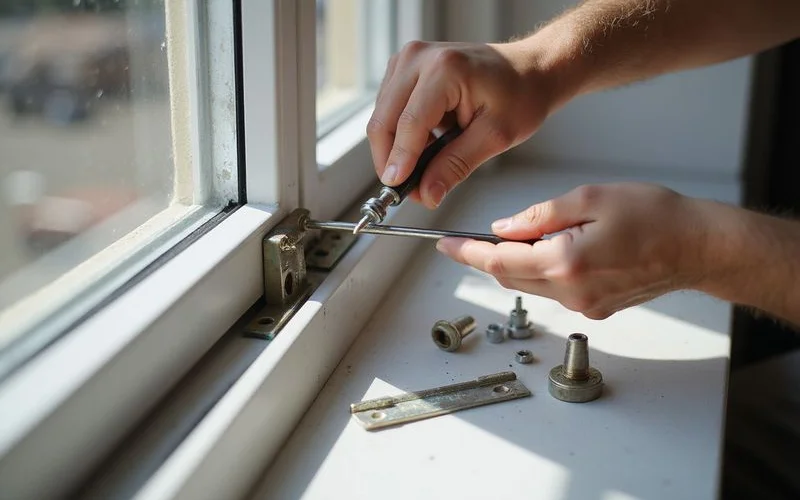
- Loose or worn hardware. Locks, cranks, and balances that are simply worn out can often be unscrewed and swapped for a matching replacement part.
- Weatherstripping. Cracked or missing weatherstripping around the sash is a low-risk, low-cost fix that stops drafts without touching the glass or frame.
- Single-pane glass in an accessible wood window. Replacing a cracked single pane with glazing points and glazing putty is a traditional DIY skill, though it takes some practice to get a clean result.
What to leave to a professional
A few situations carry enough risk, or enough chance of making things worse, that they are worth paying someone to handle:
- Insulated glass units. Today’s double- and triple-pane windows are sealed assemblies. If the seal is broken and the glass has fogged, you need a matched replacement unit ordered to your exact dimensions, and getting that seal right without proper tools is difficult.
- Frame or sill rot. If wood around the window has gone soft, that usually means water has been getting in for a while. A repair here means addressing the water source too, not just patching the wood.
- Windows that are out of square or pulling away from the wall. This points to a structural issue, settling, or a prior installation that was never done correctly.
- Anything above the first floor. Handling glass on a ladder, or leaning out of a second-story window, is where most DIY window injuries happen. It is not worth it.
- Storm or impact-rated glass. These units are heavier, specialized, and often tied to code or insurance requirements that a licensed installer needs to document correctly.
A quick way to sort your situation
| Symptom | Likely DIY-friendly? | Why |
|---|---|---|
| Window won’t stay open (balance failed) | Sometimes | Balance kits are available, but fitting them correctly takes patience |
| Drafty around the frame | Yes | Weatherstripping and caulk are low-risk fixes |
| Foggy or cloudy glass | No | Requires a matched insulated glass unit, ordered and installed correctly |
| Frame feels soft or spongy | No | Signals rot; needs diagnosis of the water source, not just a patch |
| Won’t lock or latch | Often | Usually hardware, occasionally a frame alignment issue |
| Cracked glass, ground floor wood window | Often | Traditional glazing repair, doable with practice |
When a repair isn’t worth it
Sometimes what looks like a small repair is really a sign the whole window is near the end of its life. If a technician tells you the frame, glass, and hardware would all need attention within the next year or two, ask for a comparison between a repair estimate and a straightforward replacement cost. Older windows that have already failed once in a given spot often fail again nearby, and repeated service calls can add up to more than a single replacement.
Getting a second opinion before you commit
If you are unsure whether a problem is a quick fix or something bigger, it is worth getting a technician to look before deciding. A short diagnostic visit costs far less than a repair that does not actually solve the underlying issue. Because window and door work happens in nearly every home in the state, this directory’s homepage is a starting point for comparing local repair technicians. We score technicians in part on follow-through, explained on our rubric page, so checking for pattern complaints, like slow follow-up on warranty work, pays off before you book anyone.
FAQ
- Can I replace a cracked window pane myself?
- A single pane of ordinary glass in an older wood-sash window is a reasonable DIY project if you are comfortable with glazing points and putty. Modern insulated glass units, sealed between two panes, are harder to source and fit correctly, and a bad seal defeats the point of the upgrade.
- Is it safe to fix a window that won't lock?
- Usually yes. Loose or misaligned locking hardware is often a simple screw adjustment or a replacement latch you can find at a hardware store. If the frame itself is warped and pulling the lock out of alignment, that's a bigger job.
- What window problems should I never attempt myself?
- Anything involving structural rot around the frame, a window that won't stay in the wall opening, or glass on a second story or steep roofline. Working at height with glass adds real injury risk that isn't worth the savings.
- How do I know if a repair will actually fix the problem or just delay it?
- If the underlying cause is water intrusion, a settling foundation, or an old balance system that keeps failing, a quick fix might hold for a season and then fail again. A technician who can diagnose the root cause, not just patch the symptom, saves you from repeating the repair.