What window replacement really costs in Connecticut
By Dana Whitfield · Updated 2026-06-08
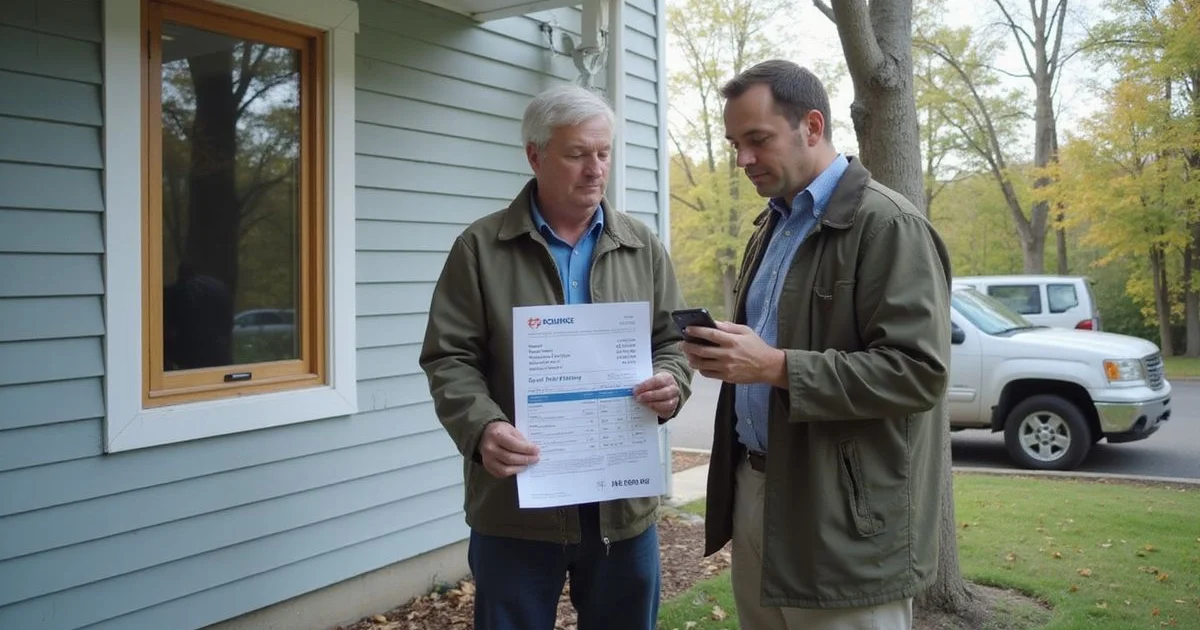
Getting a straight answer on window replacement cost is harder than it should be. Ask five installers in Connecticut for a ballpark and you will likely get five different numbers, because the real answer depends on details most homeowners do not think to ask about until the quote arrives. This directory breaks down what actually moves the price below, so you can walk into a consultation ready to compare quotes instead of just picking the lowest one.
What drives the price per window
Four factors do most of the work in setting your final number: how many windows you are replacing, the frame material, the window style, and whether the crew can do a simple insert swap or has to tear out the old frame entirely.
Frame material has the biggest swing. Vinyl is the standard budget choice for Connecticut homes and holds up fine against the state’s freeze-thaw winters. Aluminum costs a bit more and conducts heat and cold more than other frames, so it is less common outside commercial jobs. Fiberglass and wood both sit at the higher end: fiberglass for its strength and stability, wood for its look and the extra labor it takes to finish and maintain it.
Window style changes the math too. A standard single-hung or double-hung is the baseline. Casement and awning windows cost a little more because of the crank hardware. Bay and bow windows cost significantly more since they are really three or four window units combined with a support structure, not a single frame.
Insert versus full-frame replacement
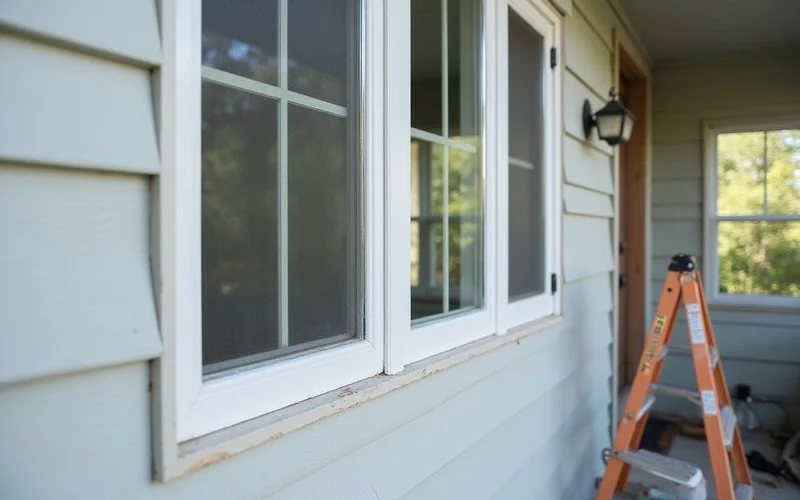
If your existing frame is square and in good shape, most installers can do an insert replacement: the new window goes into the existing frame, which keeps labor and mess to a minimum. If the frame has rot, water damage, or is out of square, the job becomes a full-frame replacement, where the crew removes everything down to the studs and rebuilds the opening. Full-frame work costs more and takes longer, but it is sometimes the only real fix, especially on older Connecticut homes where decades of moisture have worked into the wood sill.
A contractor should tell you during the in-home visit which approach your windows need and why. If a company quotes a price over the phone without seeing your windows, treat that number as a rough placeholder, not a real bid.
A rough sense of the ranges
The table below is a general guide to where costs typically land, not a quote. Your actual price depends on window size, glass package, local labor rates, and site conditions.
| Frame material | Typical cost per window (installed) | Notes |
|---|---|---|
| Vinyl | Lower end of the market | Most common choice for Connecticut homes |
| Aluminum | Slightly above vinyl | Less common residentially; conducts more heat/cold |
| Fiberglass | Mid-to-upper range | Stronger, more dimensionally stable in temperature swings |
| Wood | Highest | Traditional look, more maintenance and finishing labor |
| Bay or bow window | Several times a standard window | Multiple panes plus structural support |
What can push a quote higher than expected
A few things surprise homeowners after the estimate is signed:
- Structural repair once the old frame comes out and reveals rot or water damage behind the siding
- Custom sizing for openings that are not a standard manufactured dimension
- Upgraded glass packages, like Low-E coatings or argon fill, added to improve energy performance
- Historic district or homeowners association rules that require a specific look, which can rule out the cheapest window options
Ask upfront whether the quote assumes standard sizes and a clean opening, or whether it includes an allowance for hidden repairs. A contractor who has done a lot of work in older replacement windows projects around the state should be able to flag likely trouble spots just from looking at your trim and siding.
Getting quotes you can actually compare
Request an itemized breakdown from at least two or three installers: materials, labor, permits if needed, and disposal of the old windows. Ask each one to specify the exact glass package and frame material by name, not just “energy efficient” or “standard.” That is the only way to know if you are comparing similar windows or comparing a premium product against a stripped-down one.
Our rubric weighs how installers handle quoting and follow-through as part of how we rank companies, since a fair, clearly itemized quote is often a sign of how the rest of the job will go.
FAQ
- What is the average cost per window in Connecticut?
- Most vinyl replacement windows land in the low-to-mid hundreds per window on the low end and climb well past a thousand per window for larger sizes, premium frame materials, or specialty shapes like bay or bow windows. A whole-house job scales from there based on how many openings you have.
- Why do two quotes for the same job come back so different?
- Frame material, glass package, installation method (insert versus full-frame), and labor rates all vary by company. A lower bid sometimes means a thinner glass package or a crew that skips flashing repair. Ask each installer to itemize materials, labor, and disposal separately so you can compare like for like.
- Does the frame material matter that much for price?
- Yes. Vinyl is usually the budget option, aluminum and fiberglass sit in the middle, and wood runs highest. Fiberglass and wood both cost noticeably more than vinyl for a similar-size opening, mostly because of material and labor time.
- Is it cheaper to replace all my windows at once or do a few at a time?
- Doing them in one project usually lowers the per-window labor cost, since the crew is already on site with equipment set up. Spreading the work out over a few years can ease the upfront hit but often costs more per window overall.