Getting your windows ready for a Connecticut winter
By Dana Whitfield · Updated 2026-09-09
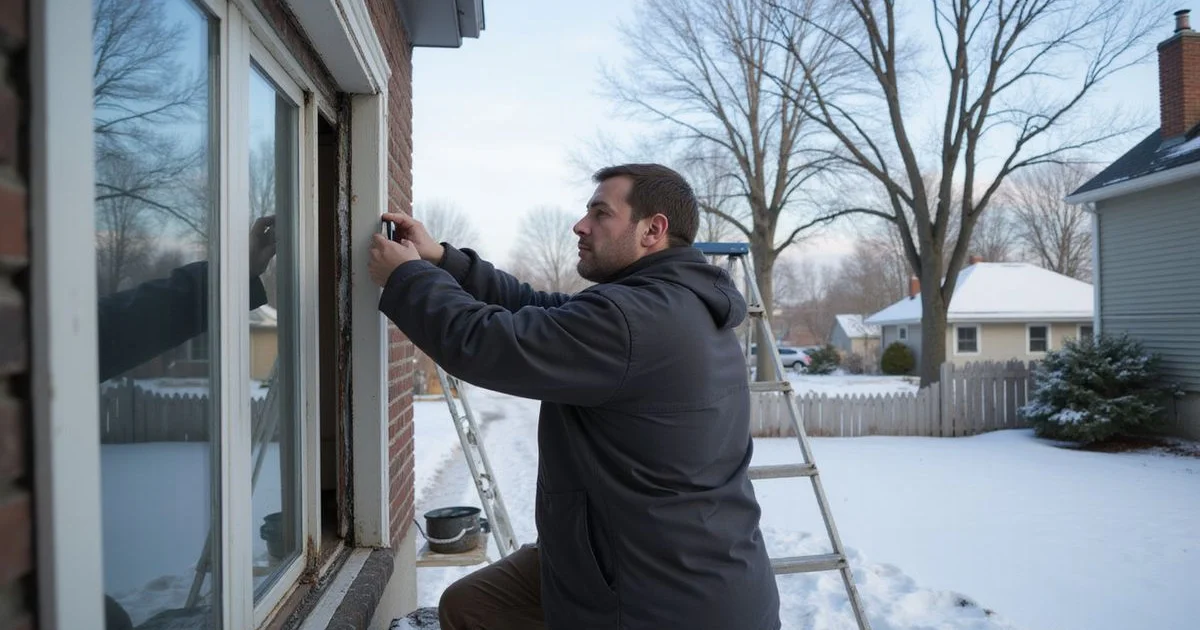
Connecticut winters are not gentle on windows. Freeze-thaw cycles work caulk loose, wind off Long Island Sound tests every seal, and a window that felt fine in July can turn into a genuine cold spot by January. A little attention each fall goes a long way toward keeping a home comfortable and your heating bill in check.
A fall checklist
Inspect and refresh exterior caulk. Walk the perimeter of each window from outside and look for cracked, shrunken, or missing caulk between the frame and the siding or trim. This is one of the cheapest and most effective preventive fixes, and it is a reasonable weekend project for most homeowners.
Check weatherstripping. The strips that seal a sash against the frame wear out over years of opening and closing. If you can feel a draft with your hand near a closed window on a windy day, worn weatherstripping is a common and inexpensive culprit.
Test that every window still locks fully. A window that latches snugly seals tighter than one that is left slightly ajar because the lock does not quite catch. This is a small thing that adds up across a whole house.
Consider storm windows on older units. If you have original single-pane or older double-hung windows, exterior or interior storm windows add a meaningful layer of insulation for a fraction of the cost of full replacement.
Clear window wells and drainage paths. For basement windows, make sure leaves and debris are cleared from window wells before the first snow so melting snow has somewhere to drain instead of pooling against the glass or frame.
Original wood windows in an older home sometimes need a different touch than this checklist assumes; our guide to replacing windows in an older Connecticut home covers how to weigh repair against replacement without losing the home’s character.
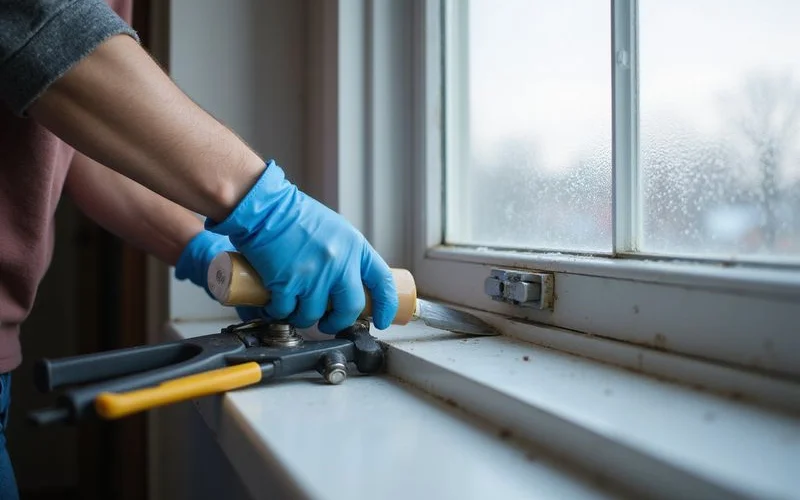
Quick fixes versus signs of a bigger problem
| What you find | Likely fix | When to call a pro instead |
|---|---|---|
| Cracked exterior caulk | Recaulk yourself | If caulk fails again within a year, check the flashing underneath |
| Worn weatherstripping | Replace with a matching strip | If the sash itself is warped and won’t seal even with new stripping |
| Noticeable draft despite good caulk and stripping | Add a storm window | If the draft is strong and sudden, the frame or glass seal may be compromised |
| Window won’t latch fully | Adjust or replace the lock hardware | If the frame has shifted enough that alignment is consistently off |
Why doing this in fall matters
Waiting until the first cold snap to notice a drafty window means dealing with the problem while it is uncomfortable and, if a repair is needed, while contractors are often busier with emergency calls. Doing a walkthrough in early fall gives you time to order parts, schedule a window repair technician if something more than weatherstripping is needed, or plan a storm window purchase before the weather turns.
Give yourself a buffer before the cold sets in
Aim to finish this walkthrough by mid-fall rather than waiting for the first real cold snap to remind you. Caulk needs a dry stretch of moderate temperatures to cure properly, which gets harder to find once the season turns, and any parts you need to order for hardware repairs take time to arrive. Starting early also means you are not choosing between a rushed fix and a cold few days while you wait for a technician’s next available slot.
Indoor steps that help too
Winterizing is not only an outside job. Heavy curtains or thermal window treatments add a real layer of insulation on especially cold nights, and closing them after dark makes a noticeable difference in a drafty room. If your home has older single-pane windows without storms, temporary interior window film, a plastic sheet applied with a hair dryer to shrink it taut, is an inexpensive, if not particularly attractive, way to cut drafts through the coldest months without a permanent change. Just remember to check that any window used as a bedroom’s required emergency exit stays easy to open quickly, since sealing it too well for winter can create a safety problem if it is needed in an emergency.
When a seasonal fix isn’t enough
If the same window keeps drafting every year despite fresh caulk and stripping, that is usually a sign of a deeper issue: a warped sash, a failed seal, or a frame that has settled out of square. Patching around the same problem annually often costs more over time than addressing the underlying cause once. You can compare local repair companies who handle these diagnostic visits on this directory, and our rubric explains how we evaluate them on thoroughness, not just speed.
FAQ
- What's the best time of year to do this in Connecticut?
- Early to mid fall, before the first hard freeze, gives you time to order parts or schedule a repair if you find a bigger problem, rather than discovering an issue during the first cold snap.
- Do storm windows actually make a noticeable difference?
- Yes, especially over older single-pane windows. Adding a storm window creates an extra layer of insulating air space, which meaningfully cuts down on drafts and heat loss without the cost of full replacement.
- Is caulking something I can do myself?
- Exterior caulking around window trim is a reasonable DIY task with basic tools and a caulk gun. Interior caulking or sealing around the sash itself takes more care, since sealing a window shut in the wrong spot can trap moisture.
- How do I know if a draft is worth calling a professional about?
- If weatherstripping and caulk do not noticeably reduce the draft, or if you notice the problem is new this year rather than ongoing, it's worth having someone look at the frame and seal rather than continuing to patch around it.